
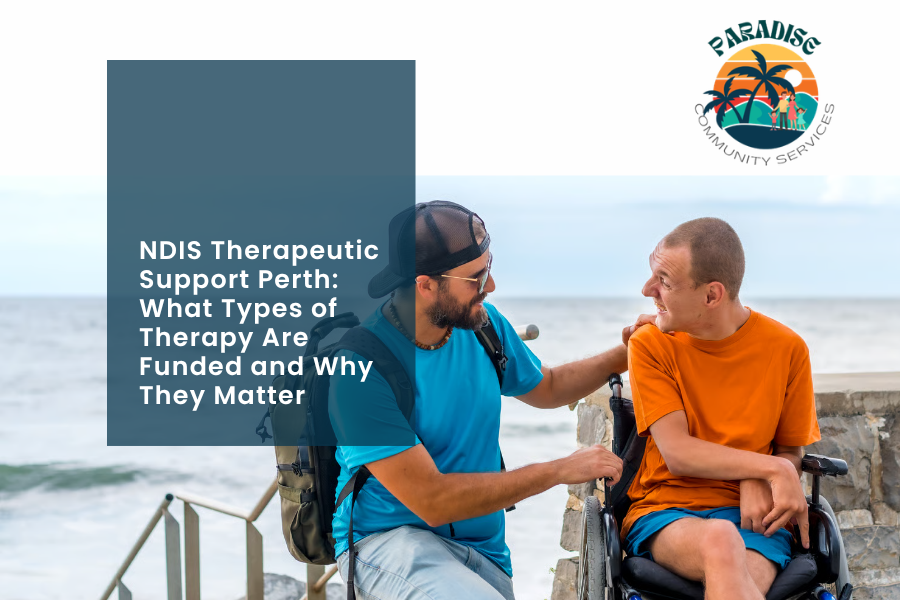
Wrapping your head around your NDIS plan can feel a bit tough at times. If you or a family member are living with a disability here in Western Australia, getting the right therapy sorted makes a massive difference. These services are all about helping you build up your independence, smash your personal goals, and feel good in your day-to-day life.
Under the NDIS framework, NDIS therapeutic support Perth is funded out of a specific section in your plan called Capacity Building – Improved Daily Living. This money is specifically set aside, so participants over nine years old (and younger kids who need early intervention) can work with professional health specialists.
But what can you actually use this funding for? How do these therapies make a difference in real life, and why do they matter so much? In this guide, we will break down the exact therapies the NDIS covers, how they support you, and how to make your funding work best for you.
Understanding NDIS Therapeutic Support in WA
Before we dive into the different types of therapy, it helps to understand how the NDIA decides what to fund. The NDIS does not just cover things randomly. Every single therapy must pass a test called “reasonable and necessary.” This just means the support has to be fair, safe, value for money, and directly related to your disability.
Learning New Skills vs. Keeping Your Capabilities
The NDIS funds therapy for two main reasons:
- Building Your Skills: This therapy focuses on teaching you how to do new things on your own, which helps reduce how much you need to rely on support workers down the track.
- Keeping Your Skills: If you have a condition that changes or gets tougher over time, the NDIS knows how important it is to keep your moving. This funding helps you stay as strong and independent as possible for as long as possible.
To access this support, you need to see a qualified, registered health professional. Let’s look at the main therapies keeping Perth participants thriving.
1. Occupational Therapy (OT): Making Daily Life Easier
When people hear the word “occupation” they usually picture a job. Yet in disability care, your occupations are more like the everyday things you do, getting dressed, cooking a meal, going shopping, or even using a computer. No drama, just normal routines but adjusted to what you can manage.
What Does a NDIS OT Do?
Using your budget for occupational therapy NDIS Perth is one of the most common choices for participants. An Occupational Therapist (OT) checks how you handle tasks at home, at work, or out in the community. It’s less about labels, more about the steps.
Rather than only staring at a diagnosis, an OT looks for useful, practical methods, so daily activities are safer and less exhausting. They help with things like:
- Functional Capacity Assessments (FCAs): Writing comprehensive reports that explain exactly how your disability affects your life. The NDIS always looks at these reports during plan reviews.
- Home Modifications: Planning changes to your house to keep you safe, like putting in a wheelchair ramp or installing grab rails in the bathroom.
- Special Equipment (Assistive Technology): Finding and teaching you how to use specialised tools, from easy-to-grip cutlery to electric wheelchairs.
- Independent Living Skills: Teaching alternative, energy-saving ways to manage personal hygiene, cook meals, and organize your day.
Why It Matters for Perth Participants
Perth is a massive, spread-out city. Whether you are navigating the city center or modifying an older home in Fremantle, an OT makes sure that physical and cognitive barriers do not stop you from living life on your own terms.
2. Speech Therapy: Helping You Talk and Eat Safely
Being able to communicate and connect with others is a basic human right. When a disability makes it hard to talk, share your thoughts, or swallow food, life can become incredibly isolated and unsafe. This is where speech therapy NDIS comes in to help.
How a Speech Therapist Helps
A Speech Pathologist (or speech therapist) works with both children and adults. They look after everything to do with communication, understanding, and eating. NDIS-funded speech therapy includes:
- Speaking and Understanding: Helping you express your thoughts clearly and understand what other people are saying to you.
- Communication Devices (AAC): If speaking with words is difficult, a therapist can set up and train you on a tablet, speech device, or picture board to help you communicate.
- Social Skills: Practicing how to read social situations, chat with people, and build confidence at school, work, or in social groups.
- Safe Swallowing Support: This is a major health and safety area. Speech therapists assess people who have trouble swallowing to prevent choking and create safe mealtime plans.
Featured Snippet Direct Answer:
What does NDIS speech therapy cover? NDIS speech therapy covers assessments and therapy for speaking, understanding words, using communication devices, social skills, and swallowing safety. It is paid out of your Capacity Building budget using standard hourly NDIS rates.
3. Physiotherapy: Improving Movement and Reducing Pain
If you want to get stronger, improve your balance, or move around with less pain, seeing a physiotherapy NDIS Perth provider is an excellent choice.
Ways a Physiotherapist Helps You Move
NDIS physiotherapists (or physios) care completely about your physical body and movement. They work with people of all ages, from babies learning to hit early milestones like crawling, to adults who need help staying steady on their feet.
Standard NDIS physio programs include:
The Long-Term Benefits
Seeing a physio regularly stops your joints from getting stiff and helps manage chronic pain. By keeping your body moving safely, you can often lower your reliance on others for basic transfers and moving around the house.
4. Other Vital Therapies Funded in WA
While OT, speech, and physio are the most common choices, your disability therapy support WA budget can pay for a few other specialized therapies too.
Exercise Physiology
Exercise Physiologists (EPs) are different from physios; they focus on using exercise to help prevent or manage long-term health issues. They design fitness plans to look after your heart health, give you more energy, and manage overall metabolic health.
Psychology and Behaviour Help
Mental and emotional well-being is just as important as physical health. The NDIS funds psychologists and positive behaviour practitioners to help you manage stress or anxiety, learn coping strategies, and work through difficult behaviours so you can connect well with the people around you.
Why These Funded Therapies Matter: The Bigger Picture
Investing your NDIS budget into therapy is about so much more than just showing up to appointments. It can genuinely transform your daily life.
1. You Gain Real Independence
The biggest goal of the NDIS is to move away from just “looking after” people and focus on skill-building instead. When you learn to manage daily tasks yourself or use a communication device, you take back control of your own life.
2. It Reduces the Need for Care Later
Therapy is an investment in your future. By learning how to do things today, you often reduce the number of hours you will need from supporting workers down the track. This keeps your NDIS funding sustainable.
3. You Can Participate in the Community
Whether it is getting strong enough to take on a part-time job or learning the social skills needed to join a local Perth sports club, therapy bridges the gap between feeling isolated and feeling included.
Frequently Asked Questions (FAQs)
What is the NDIS hourly rate for therapists in Perth?
Under the current NDIS rules, standard speech therapists and OTs can charge up to $193.99 per hour. Physiotherapists can charge up to $183.99 per hour. Providers cannot charge above these official price limits for standard one-on-one therapy sessions.
Can I use my NDIS Core budget to pay for therapy?
Therapy is almost always paid for out of your Capacity Building budget. However, if you manage your own plan or use a plan manager, and you completely run out of Capacity Building money, you may be allowed to use Core funds if it directly aligns with your goals.
Does the NDIS cover travel costs for mobile therapists?
Yes, mobile therapists can charge travel time up to 30 minutes each way from your Capacity Building budget. This must be clearly written down and agreed upon in your Service Agreement before they come out to visit you at home.
What is the difference between an OT and a Physiotherapist?
Physiotherapists focus mostly on your physical body, how you walk, balance, and reduce pain through specific exercises. Occupational Therapists take a broader look at how you manage daily life, changing your environment, or tools to make tasks easier.
Will the NDIS fund alternative therapies like massage or personal training?
No, the NDIS does not cover alternative treatments or standard gym personal training that do not have strong scientific proof. This means general relaxation massages and standard gym memberships cannot be paid for with your NDIS funds.
How do I get therapy funding added to my NDIS plan?
To get therapy money, you must show evidence from a health professional at your NDIS meeting or review. You will need a report or assessment that proves the therapy is fair, necessary, and will help you reach the goals in your plan.
Conclusion
To get the absolute most out of your NDIS therapy, it helps to work with a team that knows the Western Australian system inside out and understands how to make plans work in the real world.
At Paradise Community Care, we are incredibly passionate about connecting Perth participants with high-quality, reliable therapy services. Whether you need a functional report from an experienced OT, a physical mobility program with a physio, or safe swallowing support from a speech therapist, we are right here to help.
Don’t let your NDIS funding go unused. Contact our friendly Perth team today and discover how we can help you achieve your goals and live more independently.