
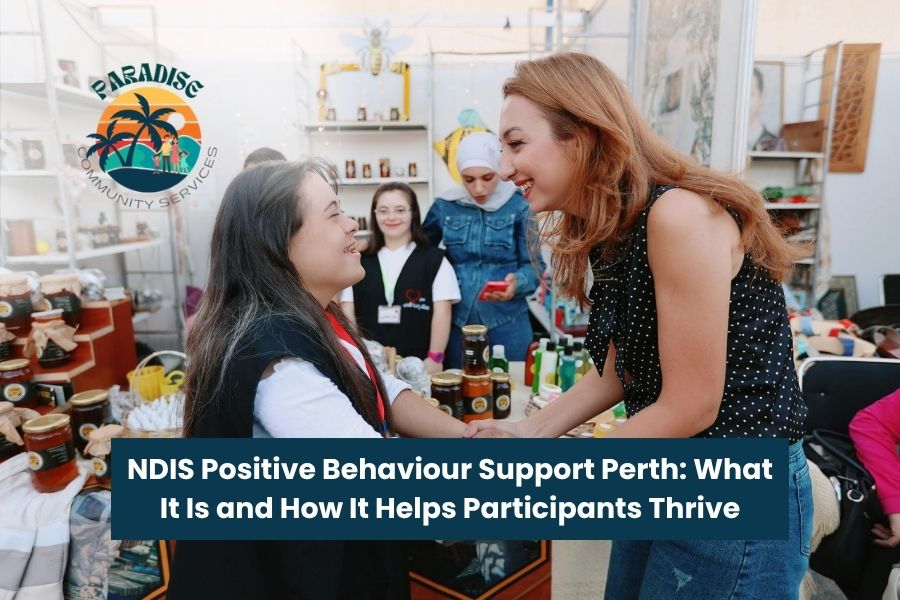
Living with a disability can bring some really tough challenges. This is especially true when certain behaviours make it hard to talk to people, stay safe, or just join in on local activities. When a participant acts out, it is usually because they are feeling overwhelmed or have a need that is simply not being met. It makes daily life hard for them and exhausting for the people who care for them.
The National Disability Insurance Scheme has a bit of a special setup for this. It’s more like an approach that really digs into why a person does what they do, not just trying to shut things down or “correct” the behaviour using punishments.
If you or a family member need help right now, local support makes a massive difference. This guide explains how NDIS positive behaviour support Perth services work and how the right team helps your loved one learn new skills, feel happier, and truly enjoy life.
What Is NDIS Positive Behaviour Support?
Positive behaviour support is a safe and evidence-based way to make a person’s day-to-day life way better. It aims to reduce stressful moments by recognising that every action happens for a reason. Usually, when someone shows what others call “difficult behaviour”, it can be their way of communicating. That might mean physical pain, feeling anxious, or plain frustration because they can’t explain, what they need right there in the moment.
The earlier disability behaviour management methods often leaned on rigid rules, or they just tried to force the person to stop, full stop. This modern approach is completely different. It treats everyone with real kindness and respect, looking closely at the person’s health, their home setup, and how they communicate to find what is causing stress.
Once the support team understands the root cause, they can change things around the house or teach the participant new positive behaviour strategies Perth wide. The main goal is to make the difficult behaviour disappear naturally because the person finally has exactly what they need to feel safe and content.
The Core Principles of Positive Behaviour Support
To see how this works in Western Australia, it helps to look at the main rules that guide every plan.
- Focus on the Person: Every plan is made for one specific person. Their goals, likes, choices, and strengths guide everything the team does.
- Finding the Reason: The team works hard to find out why a behaviour happens. They look for triggers like pain, loud noises, or feeling left out.
- Learning New Skills: Instead of telling a person what not to do, this method teaches them what to do instead. This might be learning to use pictures to talk or ask for a break.
- Changing the Setup: Sometimes, changing a room, fixing a daily routine, or speaking more softly can stop stress before it even starts.
- Respecting Rights: This framework protects the human rights of every participant. It ensures they always feel safe, cared for, and valued.
The Role of a PBS Practitioner Perth
Making a good plan requires a lot of skill. This is why you need a registered PBS practitioner Perth. These are professionals, like psychologists or occupational therapists, who have special training. They must be registered with the NDIS Quality and Safeguards Commission to do this work.
A practitioner does not just use a generic list of rules. They spend time doing a Functional Behaviour Assessment. This means they visit the participants, watch their daily routines, and talk to family members, teachers, and daily support workers.
Once the practitioner knows the exact triggers, they write a custom plan. They also spend time training the family and supporting workers. This ensures that everyone uses the exact same helpful steps every single day.
Understanding the Behaviour Support Plan NDIS WA
A behaviour support plan NDIS WA is an official document that shows everyone how to help a participant. This plan has two main parts to keep the person safe and help them grow.
Proactive Strategies
These are the most important steps, because they sort of stop problems before they even begin. Proactive actions include changing the home setup to reduce strain, keeping a steady calm everyday routine, and showing the person new ways for expressing feelings without getting all worked up.
Reactive Strategies
Even if there is a strong plan in place, hard moments can still pop up. Reactive actions give direct, safe directions for what to do when someone gets extremely upset or angry. The main aim here is to restore safety and calm quickly and kindly, without using any force or punishment either.
Reducing and Eliminating Restrictive Practices NDIS
A major reason for having an official NDIS plan is to manage restrictive practices NDIS. A restrictive practice is anything that stops a person from moving freely or making their own choices.
There are a few types of these practices:
- Chemical Restraint: Using medication to control how a person acts.
- Mechanical Restraint: Using a device, like a special belt or suit, to stop movement.
- Physical Restraint: Using physical force to hold a person down.
- Environmental Restraint: Locking away personal items or blocking access to parts of the home.
- Seclusion: Leaving a person alone in a room that they cannot get out of.
The NDIS has very strict rules about these methods. They can only be used as a last resort if someone is in immediate danger.
A big part of a practitioner’s job is to create positive behaviour strategies Perth wide that help reduce these restrictions. As the participant learns new skills and feels safer in their home, the need for these strict measures naturally goes away.
How Positive Behaviour Support Helps Participants Thrive
When a solid plan is actually put into action, it does more than just stop the bad days. it also shows people a different set of choices, like a whole new doorway, not just a wall.
More Independence
If someone learns how to manage huge feelings and asks for help in a calm way, they often dont need someone hovering around every moment. They can start doing more by themselves, and that grows real pride, plus self-reliance.
Happier Families
Living with complex behaviours can be really stressful for families, like day after day stress. A clear plan reduces a lot of worries, because everyone knows what to do. This lets families relax and enjoy spending normal, happy time together again.
Going Out More
Sometimes, the fear of a public meltdown keeps someone stuck at home. But with the right support, participants can safely head to nearby parks, pop into shops, and join social groups, all without that constant fear of a crisis.
Better Mental Health
Feeling angry, or feeling misunderstood all the time, is completely draining. By easing stress and learning how to communicate more clearly, participants usually feel less anxious, and a lot more content each day.
How Is This Support Funded in a NDIS Plan?
To get this help, the funding must be written into the participant’s NDIS plan. It sits under the Capacity Building section, in a budget called Improved Relationships.
This money is split into two parts:
- Specialist Behavioural Intervention Support: This pays the practitioner to study the behaviour, write the official plan, and give expert advice.
- Behaviour Management Plan Training: This pays for the practitioner to train the family and support workers, so they know how to follow the plan correctly.
If you need this help, you must ask for it at your next NDIS plan review. You should bring letters from doctors, teachers, or incident reports from carers to show why this support is needed to keep life safe.
Choosing the Right Provider in Perth
Because behaviour support is so personal, picking the right team is an important choice. You need a provider that looks past the difficult actions and cares about the real person.
When searching for a team in Western Australia, make sure they fit these standards:
- Registered with the NDIS: This means they follow all the official safety laws and national rules.
- Have Registered Practitioners: Make sure their staff have the right badges and experience for your specific needs.
- Work Together: A good team talks constantly with you, your family, your school, and your other therapists, so everyone uses the same steps.
- Focus on Real Life: They should care about helping the participant make friends, learn hobbies, and enjoy life, not just making them sit quietly.
Frequently Asked Questions
What is a Functional Behaviour Assessment?
This is a close study done by a practitioner to see why a person acts in a certain way. They look at what happens before and after the action, check the room setup, and talk to family members to find the real triggers.
Can a family member write the behaviour plan?
No, a family member cannot write an official plan. NDIS rules state that any official plan must be written by a registered practitioner who is formally approved by the NDIS Quality and Safeguards Commission.
How long does it take to see good results?
Every person is different, so there is no fixed timeline. Small changes to a room can help straight away, but learning new ways to talk and changing old habits takes time, patience, and daily practice.
What happens if the plan is not working?
If a plan is not helping, the practitioner will review it. They will talk to the carers, look at daily notes, check if the steps are being followed right, and change the plan to fit the person better.
Are restrictive practices banned by the NDIS?
They are not completely banned, but they are tracked very closely. They can only be used if they are absolutely needed to keep people safe. The main goal of the plan must always be to stop using them.
How often do you need to update an NDIS plan?
An official plan must be checked by a practitioner at least once every twelve months. However, if the person’s life changes or if the old plan is no longer safe, it can be updated much sooner.
Take the Next Step with Paradise Community Care
Dealing with tough behaviours can make you feel very alone, but you do not have to do it by yourself. With the right steps, a clear guide, and friendly help, you can create a calm, safe, and happy home for your loved one.
At Paradise Community Care, we provide kind disability support made for families across Western Australia. Our team works with top specialists to help participants understand their feelings, learn daily skills, and talk clearly. We focus on what you can do, respect your choices, and celebrate every single win along the way.
Contact Paradise Community Care today to see how we can support your NDIS journey.