
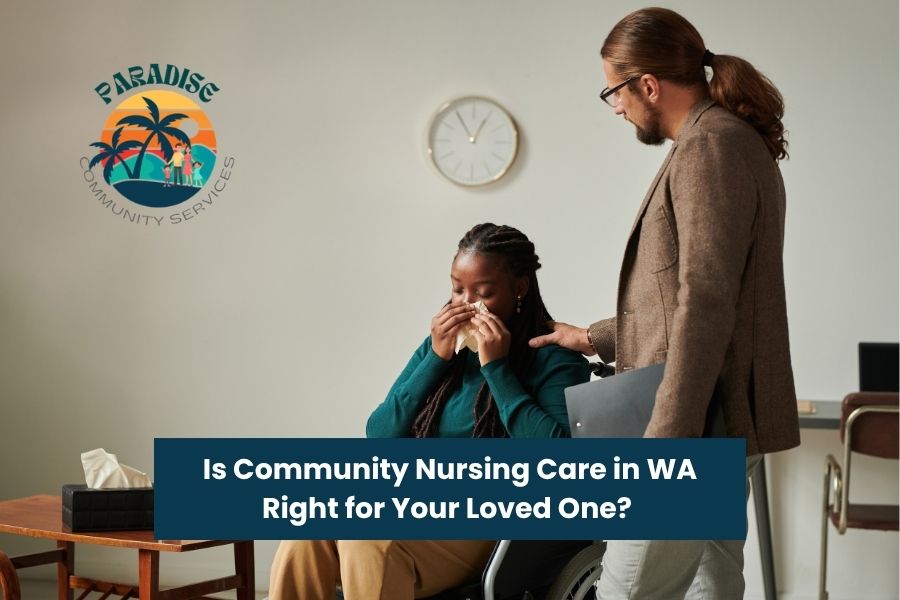
Choosing to bring medical support into the family home is one of the most significant decisions you’ll ever make. It’s often a choice born out of love, but let’s be honest, it’s also usually born out of a bit of stress. You might be seeing a parent struggle with their meds, or perhaps a disability diagnosis has made daily life a bit of a mountain to climb.
In Western Australia, we’ve seen a massive shift lately. More than ever, people want to stay in their own homes, near their own gardens, and with their own pets. Community Nursing Care in WA has evolved to make this a reality. It’s no longer just a “check-in”; it’s a high-level clinical service that brings the hospital expertise right to your doorstep in Perth, Mandurah, or the regions.
But is it the right move for your family? Let’s roll up our sleeves and look at how modern nursing works in WA, how the NDIS and Aged Care systems have changed in 2026, and what you need to know to make the best call.
What Exactly is Community Nursing in the WA Context?
When people hear nursing, they usually think of clinical white hallways and beeping machines. Community nursing flips that script. It is primary health care services in Western Australia delivered where the patient feels most comfortable.
A community nurse is a Registered Nurse (RN) or an Enrolled Nurse (EN) who specializes in working in uncontrolled environments, your home. They don’t just have clinical skills; they have the problem-solving chops to handle medical needs without a hospital’s worth of equipment at their fingertips.
The 2026 Nursing Standard
Today, a community nurse acts as a clinical quarterback. They are the ones talking to your GP, checking in with your NDIS Support Coordinator, and making sure that the care provided by support workers is safe. They bridge the gap between “daily help” and the emergency room.
7 Signs It’s Time to Consider In-Home Nursing Services in Western Australia
It’s a common story: a family tries tough it out until a crisis happens. But proactive care is always better than reactive care. Here are the signs that your loved one needs more than just a bit of help with the shopping, they need in-home nursing services in Western Australia.
1. The Medication Muddle
When your loved one is prescribed five or more various drugs, the chances of an error are enormous. You need a nurse in case you experience missed doses or some doses that are taken twice, or you are not sure of the pills you are taking. They do not simply administer a tablet but follow the side effects and make sure that the chemistry is doing what the doctor had planned.
2. Slow-Healing Wounds or Skin Tears
As we age, or due to certain disabilities, skin becomes paper-thin. A small scratch can turn into a nasty ulcer or infection overnight. If you’re constantly reaching for the Band-Aids, you need registered nurse home visits in WA. Professional wound care is the difference between a quick heal and a hospital admission for sepsis.
3. Frequent Near Misses or Falls
The number one hospitalisation in the seniors in WA is a result of falls. A nurse does not just assist a person to get up; they performs clinical falls-risk evaluation. They examine blood pressure, heart rate falls and neuro manifestations which may not be picked by a support worker.
4. Managing a Chronic Slow Burn
Diabetes, cardiovascular disease, or respiratory complications do not take a holiday. Chronic disease management in nursing in WA includes clinical monitoring routine, checking blood sugar, lung sounds, and fluid retention (edema). It’s about catching the flare-up on Tuesday, so they aren’t in the ER on Friday.
5. Complex Equipment Needs
With a catheter, a stoma or a catheter-dependent loved one who needs enteral nutrition (PEG), there is much to lose. These aren’t DIY jobs. To avoid painful urinary tract infections (UTIs) or blockages, you must have a nurse take care of the hygiene of this equipment and its functioning.
6. Post-Hospital Transition Blues
The first two weeks after a hospital discharge are the most dangerous. This is the time when majority of readmissions occur. The visit of the nurse at this stage would be in place to display the discharge plan is under action and that the patient is improving as opposed to getting back.
7. The Need for End-of-Life Dignity
If a loved one is entering their final chapter, most WA families want them at home. Palliative care nursing services in Western Australia provide the clinical expertise to manage pain and symptoms effectively, allowing the family to focus on being a family, rather than being technicians.
Navigating NDIS Nursing Care in Western Australia
If you’re an NDIS participant, the rules for nursing have changed slightly with the recent reforms. The NDIS now focuses heavily on Disability Related Health Supports.
This means that if your nursing needs are a direct result of your disability, the NDIS should fund it. NDIS nursing care in Western Australia is designed to be capacity building. The goal is to stabilise your health so you can return to your routine, work, or community.
What is “High Intensity” Support?
Under the NDIS, certain tasks are classed as High Intensity. These require a nurse to either perform the task or at least supervise and train the support workers. This includes:
- Complex Bowel Care: Essential for those with spinal cord injuries or neurological conditions.
- Tracheostomy Management: High-level airway support.
- Subcutaneous Injections: For medications that can’t be taken orally.
Aged Care Nursing Support in WA: The “Support at Home” Era
As of 2025/2026, the old Home Care Package (HCP) system has been overhauled into the Support at Home program. For WA seniors, this is actually good news. It is made more transparent and quicker.
When you are seeking aged care nursing support in WA, you will realise that the new system appreciates that clinical care is a separate pillar. You need not decide between a nurse and a clean house; the funding has been designed in such a way that medical safety is put first.
Expert Tip: When doing your My Aged Care assessment, don’t downplay the medical needs. Make it very explicit in regards to such clinical risks as falls, skin integrity, and medication confusion. This will assist in the initiative of the nursing aspect of your financing.
Why WA Families Choose In-Home Care Over a Facility
Finding the right balance between professional clinical standards and the comfort of home is a delicate task for any family. While residential aged care and disability facilities are an option, most Western Australians now view them as a secondary choice.
Here’s why staying put is becoming the go-to move:
- Your House, Your Rules: In a facility, you eat when they tell you and wake up when the lights go on. At home, you’re still the boss. You keep your own routine, watch your own telly, and have the grandkids over whenever you like.
- A Familiar Face: In big centers, you might see a different nurse every shift. With registered nurse home visits in WA, you get a small, dedicated team. They actually get to know you, not just your charts, but how you like your tea and how you’re feeling that day.
- Staying Healthy: We all know that big buildings can be hotspots for bugs and flu. Staying in your own bubble at home is naturally safer and gives you way more control over who’s coming and going.
- Better for the Budget: Between massive bonds and daily fees, facilities can drain the bank account fast. With NDIS or the new Aged Care Support in WA, staying home is often the much smarter financial move. You get the medical help you need without having to sell the family home.
The Role of Chronic Disease Management Nursing in WA
Western Australia has a unique climate and a sprawling geography. For those living with chronic conditions, especially in more sandy or remote parts of the Perth metro and beyond, managing health is a 24/7 job.
Chronic disease management in nursing in WA is more than just a blood pressure cuff. It’s about:
- Education: Teaching the patient (and the family) how to spot the red flags of their specific condition.
- Liaison: Being the person who calls the GP and says, look, Mrs. Smith’s ankles are swelling more than usual; we need to review her diuretics today, not next month.
- Prevention: The Holy Grail of Healthcare. Keeping someone out of the Royal Perth or Fiona Stanley Hospital isn’t just good for the system; it’s vital for the patient’s morale.
Palliative Care: Compassion Meets Clinical Excellence
There is a misconception that palliative care is only for the final days. Palliative care nursing services in Western Australia can be introduced months in advance.
It’s about the quality of life. It’s about making sure that pain is managed so well that the person can still enjoy a Sunday roast or sit out on the veranda. Our nurses work closely with the WA Palliative Care Network to ensure that the transition is seamless, and that the patient’s Advanced Care Directive is respected to the letter.
How to Get Started with Paradise Community Care
If you’re feeling a bit overwhelmed, that’s normal. The WA healthcare maze is famous for being a bit tricky to navigate. Here is how we make it easy at Paradise Community Care.
Step 1: The Kitchen Table Chat
We don’t start with paperwork. We started a conversation. We want to know what a good day looks like for your loved one. Is it being able to walk to the mailbox? Is it managing their own diabetes?
Step 2: The Clinical Assessment
One of our senior Registered Nurses will visit. They’ll look at the medications, the home environment, and the clinical needs. They aren’t there to judge; they’re there to spot the gaps where we can help.
Step 3: The Custom Care Plan
We don’t do cookie-cutter care. We’ll design a schedule of community nursing care in WA that fits your life. Maybe it’s a visit once a week for a wound dressing, or maybe it’s daily visits for complex meds.
Step 4: Ongoing Advocacy
Once we’re in, we’re your biggest fans. We’ll help you collect the clinical evidence you need for NDIS plan reviews or My Aged Care reassessments to ensure your funding keeps up with your needs.
Frequently Asked Questions
Can we choose our own nurse?
In Western Australia, choice and control are the gold standard. We always try to match a nurse to your loved one’s personality. If it’s not a good fit, we change it. No dramas.
Does the NDIS cover the cost of bandages and dressings?
This is a common point of confusion. Usually, the NDIS covers the nurse time to apply the dressing, but the actual consumables often come out of your Core – Consumables budget. We help you figure out the most cost-effective way to manage this.
What’s the difference between a Support Worker and a Nurse?
A support worker helps with the activities of daily living, showering, cooking, and cleaning. A nurse handles the clinical side, injections, wound care, and medical assessments. At Paradise Community Care, we have both, and they work together as a team.
Do you serve regional WA?
While our main hub is in Gosnell’s, we are constantly expanding. We recommend giving us a buzz to see if we have a nurse available in your neck of the woods.
Conclusion
At the end of the day, Community Nursing Care in WA isn’t just about clinical outcomes. It’s about peace of mind. It’s about that sigh of relief you take when you see the nurse’s car pull into the driveway, knowing that for the next hour, your loved one’s health is in the hands of a pro.
Whether you are navigating the NDIS, shifting into the new Support at Home aged care system, or looking for palliative care nursing services in Western Australia, you don’t have to do it alone.
WA families are known for being resilient and looking after their own. But even the strongest families need a hand sometimes. Let Paradise Community Care be that hand.
Ready to secure the best care for your loved one?
Let’s make sure they have the support they deserve to stay healthy, happy, and at home.
Book a Free In-Home Consultation Today